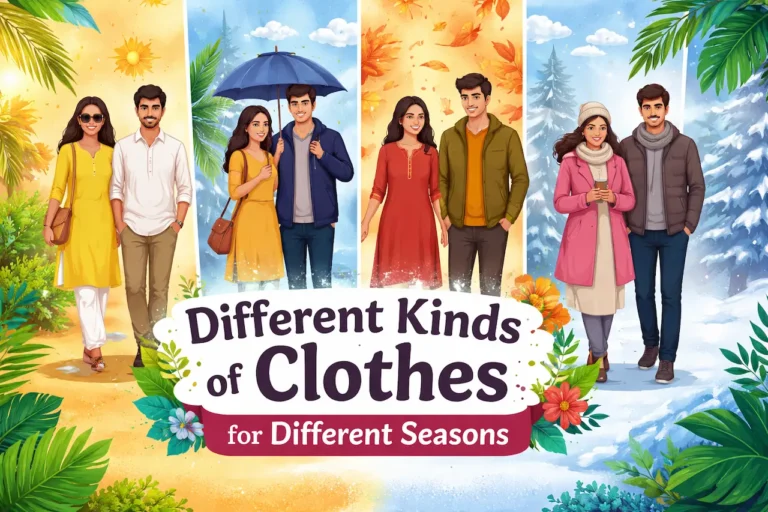
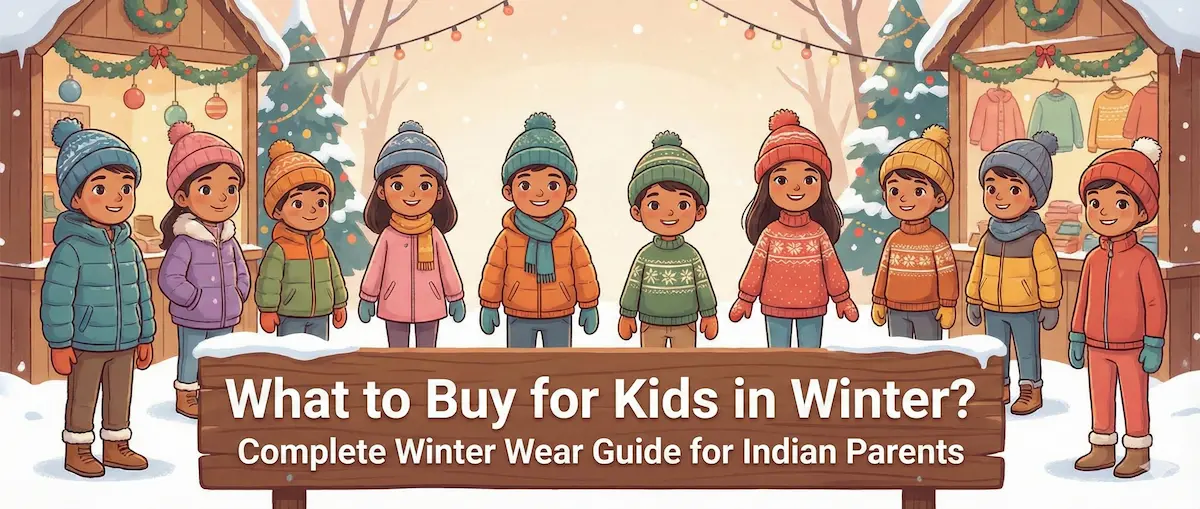

Keeping children warm in winter is not always easy. Parents want their little ones to stay cosy, but they also want them to move freely, play, and explore. That’s why choosing the right winter clothes for kids becomes a real challenge. Every parent wants to know what to buy, how to choose, and which winter wear works best in India.
Indian winters vary widely-from chilling Himalayan cold to the mild coastal breeze. So, one single outfit does not work for every child. The simplest and smartest solution is layering, a method that lets you keep children warm without making them feel heavy.
In this guide, you will learn everything about winter wear for kids in India-from thermals to jackets, accessories, and region-specific tips. By the end, you’ll know exactly how to choose the right winter clothes for your children with confidence.
Why Layering is Your Secret Weapon
Layering helps your child stay warm while allowing enough flexibility to remove or add clothes based on the temperature. It avoids overheating, keeps sweat away, and makes winter dressing super practical for Indian climates.
The Three-Layer System (Simple Breakdown)
1. Base Layer (Inner Layer)
This is the most important layer. It sits directly on the skin and keeps sweat away. When you choose thermal wear for kids, look for moisture-wicking materials like merino wool or high-quality synthetic blends. Cotton feels soft but traps moisture, making kids colder. A good base layer keeps the body dry and warm.
2. Middle Layer (Warmth Layer)
This layer provides insulation. It includes sweaters, hoodies, fleece jackets, and pullovers. For most Indian regions, fleece works extremely well because it’s warm, light, and quick-drying. Wool is warmer but heavier. Choosing between wool vs fleece for kids depends on how cold your region gets.
3. Outer Layer (Protective Layer)
This layer protects from cold winds, rain, and snow. It includes puffers, parkas, and windcheaters. Best winter jackets for kids are lightweight, insulated, and easy to carry. Heavy coats are needed only in extreme cold areas like Himachal, Kashmir, or Uttarakhand.
The Essential Checklist: Must-Have Winter Clothes for Kids
Every parent wants clarity on what exactly to buy. Here’s a simple and practical checklist for all types of Indian winters.
1. Base Layer: Thermal Wear for Kids
Thermals are the foundation of warm winter clothing. They trap body heat and keep the child comfortable throughout the day. However, not all fabrics work well.
Cotton vs Thermal Innerwear for Kids
- Cotton absorbs moisture and stays wet.
- Wet cotton makes your child feel colder.
- Proper thermal wear stays dry and warm.
Best Fabric Choice
- Merino wool thermals: Best for cold regions.
- Synthetic thermals: More affordable and still effective.
- Blended thermals: Good balance of warmth and comfort.
Choose a snug but stretchy fit so your child can move freely.
2. Middle Layer: Sweaters, Pullovers & Fleece Jackets
This is where insulation happens. The middle layer traps warm air and acts like a cushion against the cold.
Options for the Middle Layer
- Wool Sweaters: Great for strong cold, but can feel heavy.
- Fleece Jackets: Light, warm, and easy to wash-excellent for kids.
- Pullovers & Hoodies: Good for mild to moderate winters.
Wool vs Fleece for Kids
- Wool: Warmer but heavier.
- Fleece: Lightweight, breathable, and best for active kids.
For most Indian cities, fleece is the most practical choice.
3. Outer Layer: Best Winter Jackets for Kids
The outer layer protects from wind, fog, dust, and rain. This is especially important in North India.
Types of Winter Jackets
- Puffer Jackets: Lightweight, insulated, perfect for very cold days.
- Parkas: Heavy coats for extreme cold areas.
- Windcheaters: Good for windy but not extremely cold days.
Choose outerwear with:
- A hood
- Good zippers
- Lightweight insulation
- Water-resistant or windproof fabric
Heavy parkas are not required for kids living in cities like Mumbai, Chennai, or Hyderabad.
Winter Accessories for Kids
Parents often ignore accessories, but most body heat escapes from the head, hands, and feet. Good accessories complete your child’s kids winter outfits perfectly.
1. Head & Ears: Caps, Beanies & Earmuffs
The head loses heat quickly. A soft woolen cap or a snug beanie keeps the head warm. For windy or extremely cold places, earmuffs are a great addition.
2. Hands: Mittens vs Gloves
Mittens (Best for Babies & Toddlers)
- Keep fingers together
- Provide more warmth
- Easier to put on
Gloves (Best for School-Going Kids)
- Better grip
- Good for outdoor play
- Available in insulated and waterproof versions
3. Feet: Socks & Winter Footwear
Choose thick socks made of wool or thermal blends. For very cold or snowy areas, waterproof boots protect from wetness and chills.
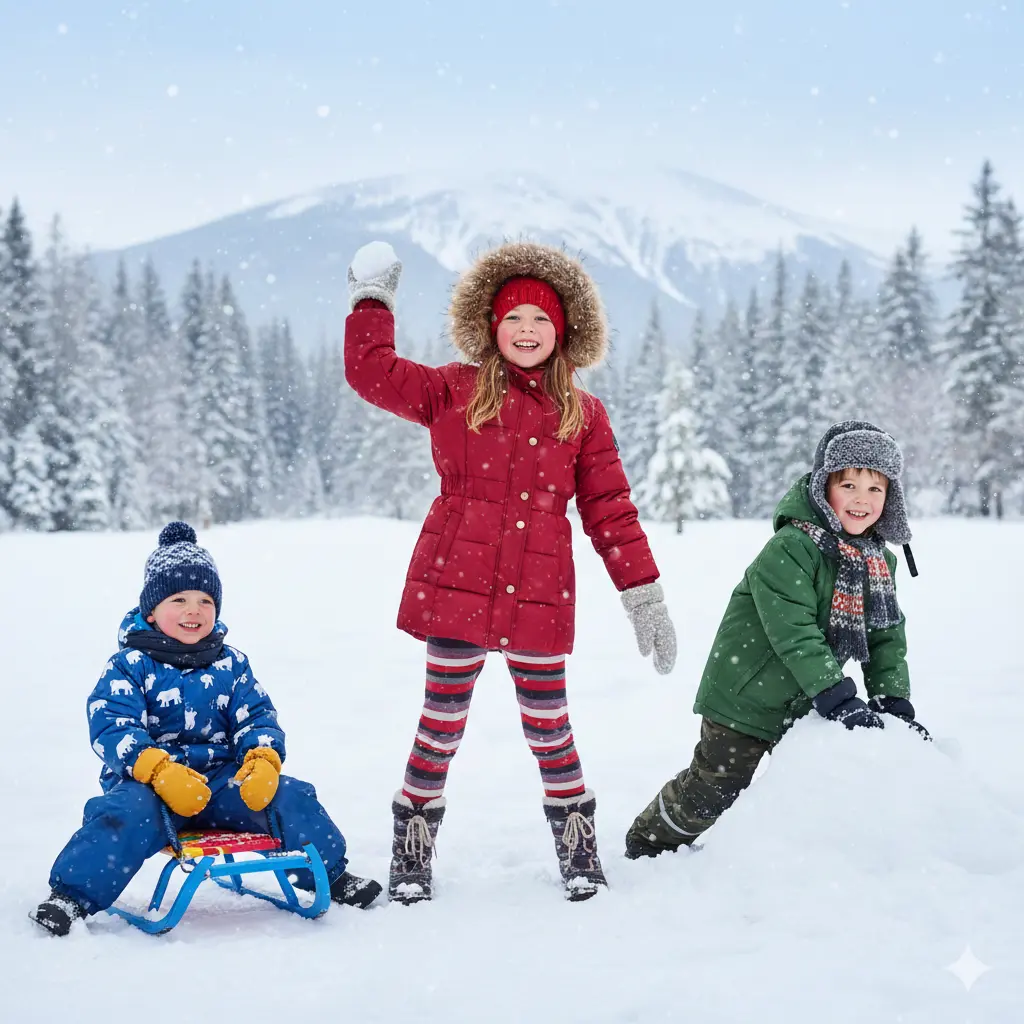
Winter Wear for Kids in India
India’s winter is not the same everywhere. Your shopping must match your region’s climate. Here’s a simple guide for Indian parents across the country.
1. North India (Delhi, Punjab, Himachal, Uttarakhand, Kashmir)
These regions face extreme cold, fog, and chilly winds.
You should buy:
- Merino/synthetic thermals
- Thick sweaters or fleece
- Puffer jackets or parkas
- Woolen caps and earmuffs
- Insulated gloves
- Wool socks
- Waterproof or insulated footwear
2. Central & East India (UP, MP, Bihar, Jharkhand, Kolkata)
These areas face moderate cold with chilly mornings and nights.
You should buy:
- Lightweight thermals
- Fleece jackets or sweaters
- Light to medium jackets
- Woolen caps for early mornings
- Normal socks and comfortable shoes
Thermals may be needed only on very cold days.
3. South India & Coastal Areas (Mumbai, Goa, Chennai, Kerala)
Winters are mild and short.
You should buy:
- Cotton or light thermal layers
- Hoodies or light pullovers
- Light jackets for evenings
- Soft caps for babies only
No heavy sweaters or thick jackets are needed.
Smart Shopping: How to Buy Winter Clothes for Kids
Buying winter clothes is not just about warmth. You must also check safety, durability, and comfort.
1. Size & Fit Tips
Kids grow quickly. Choosing one size larger is usually safe, especially for jackets. However, avoid oversized thermals because they must fit snugly for proper warmth.
2. Safety Checks
- Choose clothes with non-toxic dyes
- Avoid long cords that can cause accidents
- Look for fire-retardant materials (optional but helpful)
- Check stitching strength
3. Durability & Care Tips
- Wash wool by hand or use gentle cycles
- Avoid high heat while drying
- Fleece dries faster and is easier to maintain
- Store jackets in a dry place to avoid moisture damage
A little care extends the life of winter clothing.
Conclusion
The best strategy for choosing winter clothes for kids is simple-focus on layering, pick the right materials, and match winter wear to your child’s activity level and your region’s climate. Comfort should always come before fashion, though stylish options are easy to find today.
With the checklist in this guide, you can confidently shop for the right winter wear for kids in India and keep your child warm, happy, and ready for winter fun.
FAQs About Winter Clothes for Kids
How many layers should a child wear in winter?
Most children need 2–3 layers depending on the weather. A thermal base layer, a warm middle layer, and a light or heavy jacket on top are usually enough.
Is cotton good for kids’ winter clothes?
No. Cotton holds moisture and makes your child feel colder. Choose thermals made from merino wool or synthetic materials instead.
What is the best fabric for thermal wear for kids?
Merino wool is the best for strong cold. Synthetic blends are great for affordability and everyday comfort.
When should I start buying winter clothes for my kids?
Start shopping 3–4 weeks before the winter season begins. This helps you avoid rush pricing and ensures the best size availability.

This article has been written by the AB Mantra Team, a group of passionate writers and researchers covering topics across fashion, travel, finance, health, education, technology, lifestyle and business. Our goal is to share accurate, easy-to-understand, and helpful information that adds real value to readers. Each piece is carefully reviewed to maintain clarity, reliability and trust.