
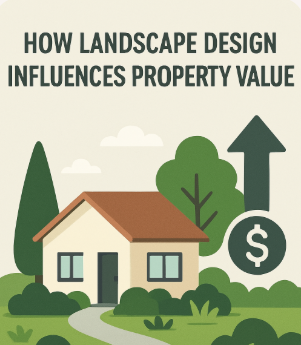

Investing in thoughtful landscape design is one of the most effective ways to enhance a property’s overall value. Not only does it create more appealing and enjoyable spaces, but it also delivers tangible financial returns when homeowners choose to sell. Local experts, such as Naples FL real estate experts The Profeta Team, consistently find that properties with attractive and functional outdoor environments stand out in the market, often selling faster and at higher prices. Homes are ultimately evaluated based on their visual presentation and usability. A well-crafted yard can be a deciding factor for many buyers, making the house feel immediately inviting and well-maintained. Thoughtful landscaping, from vibrant gardens to mature shade trees, is considered by many as a direct investment in the property’s future value and marketability.
Curb Appeal and First Impressions
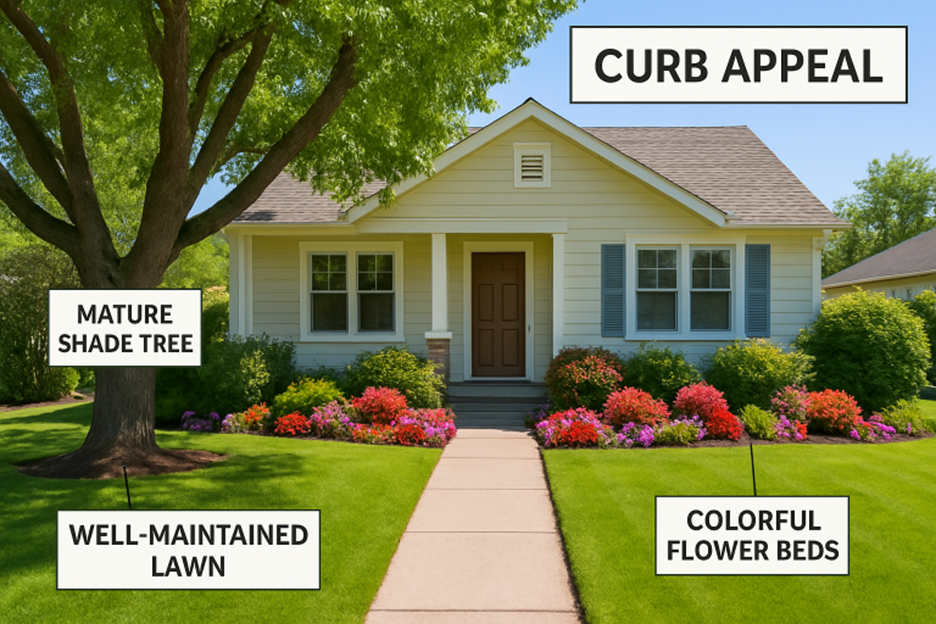
First impressions are fundamental in real estate, and landscape design is the foundation of curb appeal. According to the National Association of Realtors, a buyer forms an opinion about a property within the first 7 to 10 seconds of seeing it. Enhancements like well-manicured lawns, neatly edged flower beds, and fresh mulch can turn a drab exterior into a showstopper. These upgrades are proven to increase perceived value, helping sellers command higher asking prices and reducing the time a home spends on the market. Even minor improvements, such as trimming overgrown shrubs or repairing a cracked walkway, can significantly impact the exterior’s visual appeal. Homeowners looking to make a dramatic change should also consider adding focal points, such as seasonal planters or an inviting walkway, to lead visitors toward the entrance and set a welcoming tone before they even step inside.
Functional Outdoor Spaces
Modern buyers are increasingly prioritizing usable outdoor areas as an extension of their indoor living spaces. Spaces like patios, decks, pergolas, and well-defined gardens add real square footage in terms of how the residence is enjoyed. Outdoor kitchens, fire pits, and built-in seating create zones for entertaining and relaxation, making the property more versatile and attractive to families, professionals, and retirees alike. Creating these functional spaces doesn’t require a massive budget. Simple upgrades, such as paved paths, low-voltage lighting, or even privacy plantings, can transform overlooked yard areas into desirable features. According to HGTV, even modest outdoor enhancements can deliver some of the highest returns on investment of all home improvement projects.
Energy Efficiency and Sustainability
Thoughtful landscaping not only enhances the beauty of a home but also improves its energy efficiency. Strategically placed trees and shrubs provide valuable shade in warm months, helping reduce air conditioning costs by shielding windows and roofs from direct sun. During colder seasons, evergreens and dense plantings can serve as effective windbreaks, reducing heating bills and making outdoor spaces more comfortable year-round. Sustainable landscaping focuses on practices that minimize environmental impact. Utilizing drought-tolerant plants, rain gardens, and drip irrigation systems can significantly reduce water consumption. These features appeal to environmentally conscious buyers who recognize the long-term financial and ecological benefits. The U.S. Department of Energy highlights that careful landscaping design can cut total energy bills by as much as 25 percent.
Native Plants and Low-Maintenance Landscaping
Choosing native plants for landscaping delivers ongoing benefits. These species typically require less supplemental watering and maintenance because they are adapted to the local climate and soil conditions. The result is a lush, healthy landscape that thrives with minimal intervention, slashing yard care costs and workload for future owners. Low-maintenance landscapes are particularly desirable in regions where seasonal drought or busy lifestyles make regular upkeep challenging. By integrating local grasses, perennials, and native shrubs, homeowners can easily create vibrant, resilient gardens that also support local wildlife.
Mature Trees and Property Value
Mature trees are one of the most valuable elements in landscape design. Their established roots help stabilize soil, reduce runoff, and provide natural shade that cools both the home and the surrounding land. Properties with large, healthy street trees can sell for 3% to 15% more than similar homes without them. Besides financial benefits, mature trees improve air quality, enhance privacy, and increase neighborhood appeal. Many municipalities offer incentives for planting and preserving trees, further reflecting their recognized contribution to urban and suburban landscapes.
Common Landscaping Mistakes to Avoid
While landscape improvements can pay off, some mistakes can have the opposite effect. Planting large trees too close to buildings may eventually damage foundations or block views, which can deter potential buyers. Overgrown or poorly maintained yards suggest neglect and can quickly diminish curb appeal. It’s important to focus on proper design, scale, and placement, ensuring the landscaping complements the home rather than overwhelming it. Regular maintenance, such as seasonal pruning and debris removal, protects the investment and maintains the property’s inviting appearance.
Return on Investment for Landscaping Projects
Landscaping remains one of the highest-yield home improvement investments. For every dollar spent, homeowners can realize a return of up to $1.35 on resale, according to leading industry reports. High-quality landscape projects—especially those that add usable outdoor living space—can boost a property’s value by 7% to 10% or more. Whether selling soon or planning for the long term, thoughtful landscape upgrades make homes more livable and marketable. Consulting with local professionals and researching regional plant options delivers the best blend of beauty, sustainability, and value.
Conclusion
Landscape design is more than an aesthetic choice; it is a strategic approach to maximizing property value. By focusing on curb appeal, functional spaces, sustainability, and long-term maintenance, homeowners can create appealing outdoor environments that benefit both their lifestyle and their financial future. Prioritizing well-planned landscaping ensures any property can stand out in a competitive real estate market.

Rishabh Kumar is ABMantra’s writer for finance, technology and career content. He has over four years of experience translating complex financial and technical topics into plain language that everyday Indians can read, understand and act on.
Rishabh comes from a business family background in Delhi and developed an early interest in personal finance after watching relatives make avoidable financial mistakes due to a lack of accessible information. That experience shapes the way he writes — always starting from the reader’s confusion rather than the writer’s knowledge. He covers personal loans, investment basics, insurance, forex, income tax, and digital tools with a consistent focus on the Indian financial landscape, Indian regulations, and products that are actually available to Indian consumers.
At ABMantra, Rishabh also covers technology topics — apps, digital payments, online safety, and tech trends — always for an intelligent non-technical audience. He believes that most technology writing either talks down to readers or assumes too much prior knowledge, and tries to find the middle ground in everything he writes.
Areas of expertise: Personal Finance, Investments, Loans, Forex, Income Tax, Digital Tools, Career Guidance