
When you plan custom wholesale scarf orders, the supplier you pick has a big effect on product quality, brand steadiness, and delivery dependability. Factors like material sourcing, production ability, customization options, and compliance rules each impact your business success over time. Before you look at specific details, it helps to grasp why picking the right supplier matters so much for wholesale achievements.
Selecting a good supplier goes beyond just checking prices. You need a partner that fits your brand’s ideas, quality hopes, and growth plans. Now, let’s dive into the key things that count when you source custom wholesale scarves.
Why Product Range and Material Options Matter for Your Brand
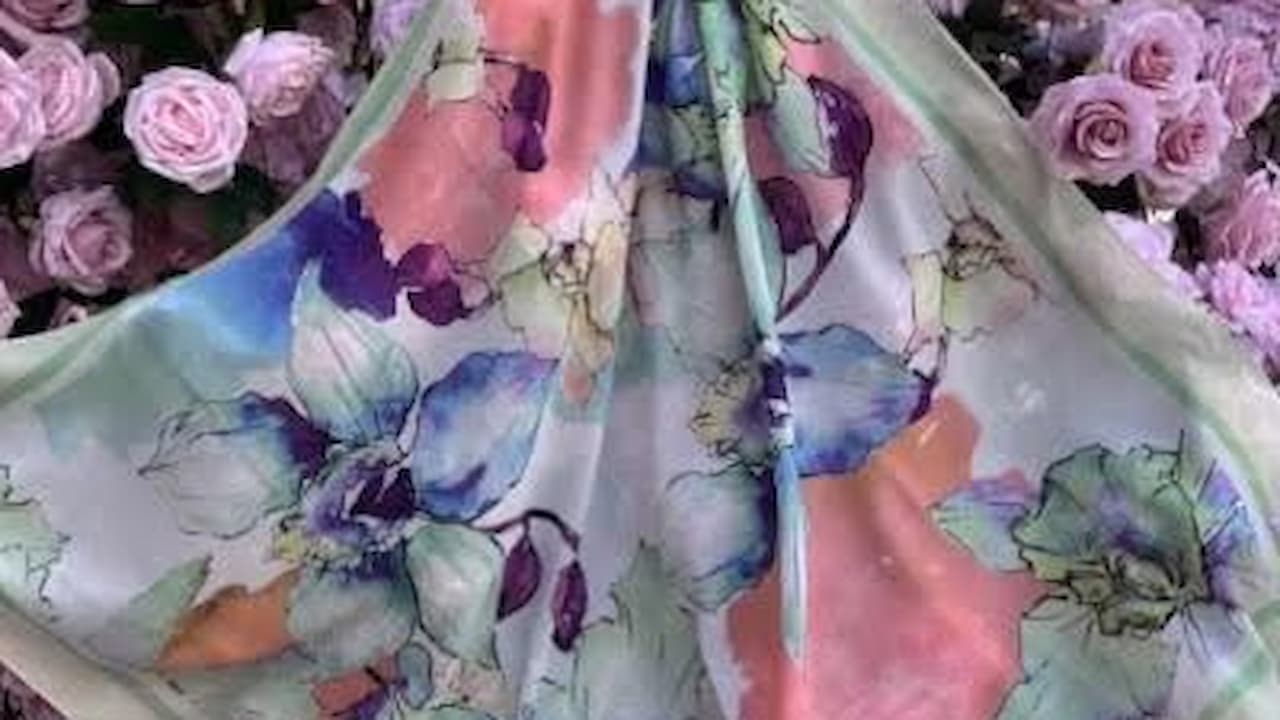
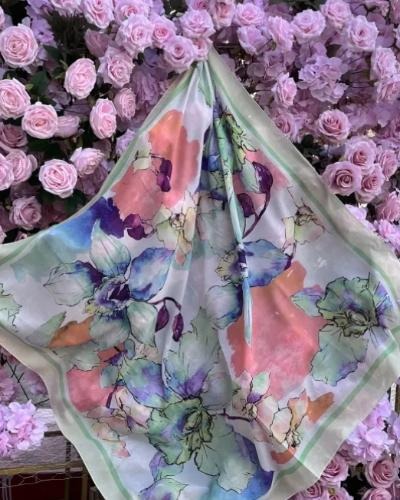
The product list from a supplier forms the base of your design choices. A broad selection gives you room to create seasonal looks or jump on new trends without switching suppliers halfway. Seek out variety in fabric kinds like silk, modal, wool, and cotton. Jinlai Textile’s chosen cotton voile fabric works well for making dyed scarves, printed scarves, embroidered scarves, diamond scarves, and more.
You also need the chance to choose sizes, finishes, and printing methods. For instance, digital printing handles detailed color shifts and designs, whereas old-style screen printing gives strong colors. These skills help match the end product to your brand’s tale.
How Can You Evaluate Quality Without Seeing the Products in Person?
Sourcing from afar does not force you to rely on guesses for quality. Always ask for real samples to check fabric thickness, color accuracy, and seam evenness. Add to that by getting sharp, clear pictures and video tours. Reliable suppliers share openly about their quality checks. Jinlai Textile employs modern weaving and printing and dyeing tools, and skilled workers keep watch during every step. Such care in making sure things are right means the product you get matches what customers see.
What Role Does Minimum Order Quantity (MOQ) Play in Your Profitability?
MOQs can help your ideas grow or limit how you spend money. Small MOQs allow you to try out special markets or one-time designs without risking too much cash. As time passes, the option to increase order sizes lets you build bigger collections without finding new sellers.
How Do Lead Times and Production Capabilities Affect Your Supply Chain?
Your skill in hitting store schedules depends on how well your supplier keeps up with production. However, quick speed should not harm the standard of work.
Why Fast Turnaround Isn’t Always the Best Option
A quick order might look good at first, but it can cause mistakes if there is no strong control in place. Instead, pick suppliers who give honest time estimates—often 15 to 30 days based on how tricky the work is—and include extra time for samples and changes.
Jinlai Textile gives you a smooth experience from making the items to packing them and sending them out, with good speed and clear steps all along. This openness makes sure your goods arrive when you plan promotions or start seasonal items.
What Should You Know About Production Capacity Before Committing?
If you plan to grow bigger, the daily amount a supplier can make is very important. Can they handle big orders every time? Do they run their own making facilities? Jinlai Textile stands as a top cotton voile (polyester voile) fabric maker, turning out up to 50 million meters of voile grey fabric each year. A steady amount like that cuts down on problems and builds strong ties over years.
How Important Is Communication When Working With a Scarf Manufacturer?
Good talk between sides is not just useful—it is a must for a project to succeed.
Why Clear Communication Can Make or Break a Custom Order
From design details to shipping info, each part needs everyone on the same page. Slow replies to messages or unclear directions can turn into expensive fixes in the making. For that reason, team up with suppliers who have staff focused on helping and who speak your language or work when you do.
What Questions Should You Ask Before Signing an Agreement?
Before you place your first order, make sure to understand the rules for changes and costs for samples. Inquire about return options and if they follow global safety or fabric standards. If adding your brand mark is key, check what they can do for packing too—special tags or green wrapping can improve how customers open their items.
Can a Supplier Support Both Design Creativity and Technical Precision?
Strong designs need not only fresh thoughts but also solid help from your making partner.
How Customization Services Reflect a Supplier’s Capability Level
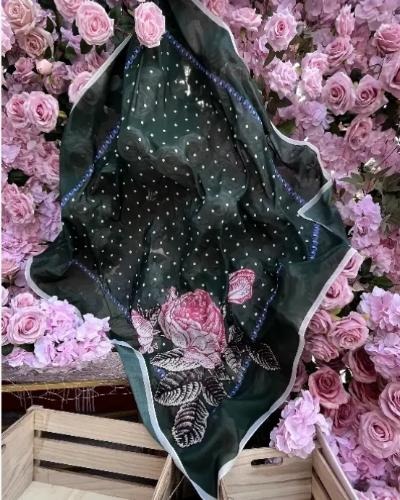
Suppliers that provide digital printing, jacquard weaving, or embroidery offer more ways to turn your ideas into reality. Each method fits certain creative aims—digital for bright details, jacquard for woven rich feels, and embroidery for touch-based stories. Use the newest textile, printing, and dyeing methods. This points to their skill in managing not only large batches but also detailed craftwork.
When Should You Involve the Supplier in the Design Process?
Bring your supplier in right from the start—best during picking fabrics and readying print files. They can find problems early, like fuzzy images or wrong materials, before they slow down making. A skilled technical group gives advice services. That first feedback can cut down on extra changes and save time and money.
Where Can You Find a Reliable Partner for Long-Term Growth?
If you seek a scarf supplier that blends fresh ideas with solid operations, Jinlai Textile deserves a close look. With more than 20 years in custom scarf making, they focus on silk scarves, modal mixes, wool wraps, and cotton voile choices made just for your brand’s wants.
At Jinlai Textile, they work hard to supply top-quality, stylish, and tradition-rooted scarves for Muslim women worldwide. Their group provides full help—from checking designs to picking printing ways (like screen or digital), plus nice touches such as hand-rolled edges. If you start a new brand or grow an old one, they give both small order ease and big volume trust.
Check out their custom silk scarf service to learn how they turn design thoughts into real items with careful skill.
FAQs:
What’s the typical lead time for custom scarf orders?
Lead times usually range from 15 to 30 days depending on order size and customization complexity.
Do I need to provide artwork files for printing?
Yes—high-resolution vector files (such as AI or PSD) are preferred; some suppliers also offer design assistance if needed.
Can I request eco-friendly materials or packaging?
Yes—many suppliers offer sustainable options upon request; confirm availability during early discussions.
Bhawna Anand is a talented content writer and editor with over 5 years of experience crafting engaging stories for Abmantra. She specializes in Fashion, Lifestyle, and Spiritual content, along with expert guides on Festivals, Gifting, and Ecommerce. Bhawna’s informative writing style has been instrumental in building Abmantra’s loyal readership and vibrant online community.
When not at work, Bhawna enjoys traveling the world, which often inspires her to write captivating travel pieces that transport readers to new destinations. She also loves to sing, cook, and read good novels.