

Why Indoor Movement Is a Real Parenting Challenge
If you’re raising a child in India today, this situation will sound familiar. The summer heat is harsh. Monsoons bring slippery floors and infections. Most families live in flats where outdoor play is limited to short windows of time. Slowly, without realising it, children move less.
This lack of movement affects more than energy levels. It impacts how a child’s brain and body develop together.
Two key systems suffer when kids don’t move enough:
- Vestibular system: responsible for balance, coordination and spatial awareness
- Proprioception: helps children understand where their body is in space
When these systems don’t get enough stimulation, children may appear restless, clumsy, fearful of movement, or overly dependent on screens for stimulation.
This is where kids indoor play equipment becomes essential. Not as a luxury. Not as entertainment. But as a practical tool to support healthy physical development inside real Indian homes.
You don’t need a big house. You need the right choices.
Why Active Indoor Play Matters for Kids
Active indoor play supports the body and the mind together.
Regular movement at home helps children:
- Build strong muscles and joints
- Improve balance and coordination
- Develop focus and emotional regulation
- Sleep better at night
- Reduce screen dependency
With the right setup, your home can quietly become a safe home playground India parents actually trust.
Top 10 Kids Indoor Play Equipment for Active Play at Home
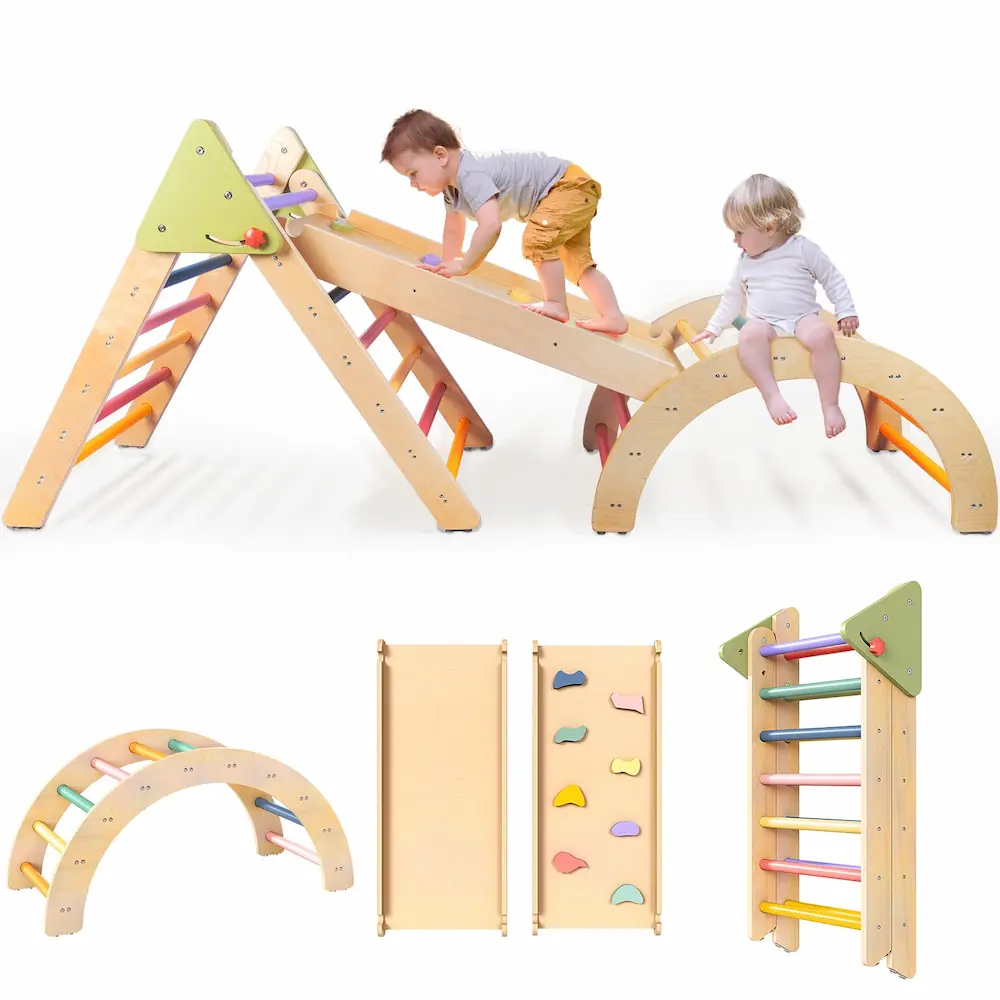
1. Pikler Triangle (Toddler Climbing Frames)
What it is:
A wooden climbing triangle designed for toddlers to pull up, climb and move freely at their own pace.
Best age: 6 months to 4 years
Why it works:
Supports natural motor milestones without overstimulation.
Benefits:
- Gross motor skills
- Balance and confidence
- Independent play
Space needed:
Small corner space
Pros:
- Foldable and space-saving
- Sustainable, eco-friendly wood
- High resale value
Cons:
- Expensive
- Needs a mat or carpet underneath
Maintenance:
- Wipe with dry cloth
- Avoid water
- Ensure airflow during monsoon to prevent fungus
2. Indoor Slide (Foldable Plastic or Wooden)
What it is:
A child-sized indoor slide with steps and safety rails.
Best age: 1.5 to 5 years
Benefits:
- Leg strength
- Balance
- Confidence in movement
Space needed:
Approx. 3×3 feet
Pros:
- Easy energy release
- Simple and intuitive
- Plastic models are washable
Cons:
- Occupies floor space
- Shorter usage span
Maintenance:
- Clean weekly with mild soap
- Dry fully after washing
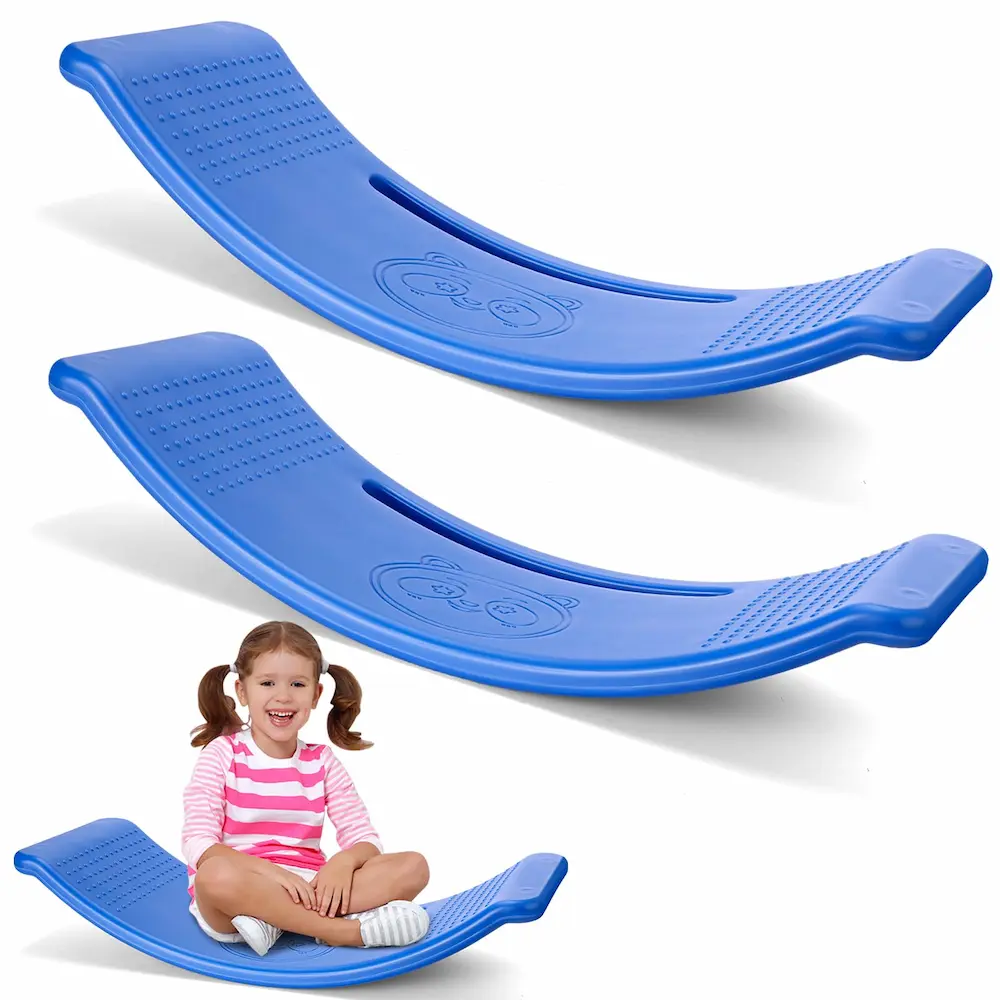
3. Balance Board (Curved Wooden Board)
What it is:
A curved board used for rocking, balancing and imaginative play.
Best age: 2 to 8 years
Benefits:
- Core strength
- Proprioception
- Body awareness
Space needed:
Minimal
Pros:
- Multi-purpose
- Long usage life
- Easy storage
Cons:
- Needs supervision initially
- Can scratch floors
Maintenance:
- Dry wipe
- Use a thin mat underneath
4. Pop-Up Tent & Crawl Tunnel
What it is:
A lightweight fabric tent with tunnels for crawling and exploration.
Best age: 1 to 6 years
Benefits:
- Sensory play
- Imagination
- Crawling strength
Space needed:
Medium, temporary
Pros:
- Portable
- Encourages active pretend play
Cons:
- Collects dust
- Lower durability
Maintenance:
- Shake outdoors weekly
- Sun dry monthly
5. Mini Trampoline (With Safety Handle)
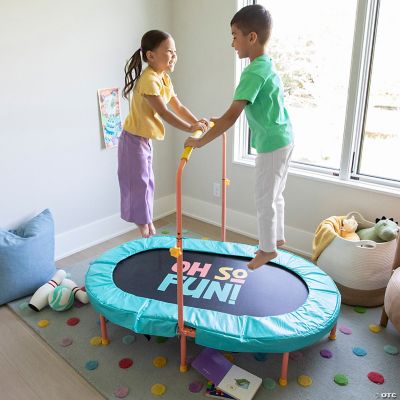
What it is:
A low height indoor trampoline designed for children.
Best age: 3 to 7 years
Benefits:
- Balance
- Coordination
- Energy release
Space needed:
3×3 feet
Pros:
- Strong cardiovascular activity
- Improves focus after play
Cons:
- Needs strict supervision
- Not apartment-noise friendly
Maintenance:
- Tighten screws monthly
- Dry wipe mat and springs
6. Soft Play Blocks (Foam Sets)
What it is:
Large foam blocks for climbing, building and jumping.
Best age: 1 to 5 years
Benefits:
- Safe climbing
- Creativity
- Motor planning
Space needed:
Flexible
Pros:
- Soft and safe
- Modular play
Cons:
- Storage required
- Budget sets wear out faster
Maintenance:
- Clean with mild disinfectant
- Air-dry fully
7. Wall Climbing Holds (Low Height Setup)
What it is:
Low mounted climbing grips fixed to a wall.
Best age: 4 to 10 years
Benefits:
- Upper body strength
- Problem-solving
- Confidence
Space needed:
Vertical wall space
Pros:
- Saves floor space
- High engagement
Cons:
- Requires drilling
- Safety mat essential
Maintenance:
- Check bolts monthly
- Dust weekly
8. Indoor Jungle Gym (Compact Models)
What it is:
Multi activity play frames with ladders, swings, or slides.
Best age: 2 to 6 years
Benefits:
- Full-body movement
- Long attention span
- Role play
Space needed:
Dedicated area
Pros:
- All-in-one solution
- Long-term value
Cons:
- Higher cost
- Requires planning space
Maintenance:
- Weekly wipe
- Regular joint checks
9. Ride-On Push Toys (Indoor Safe)
What it is:
Foot-powered ride on vehicles.
Best age: 1 to 4 years
Benefits:
- Leg strength
- Direction control
- Independent movement
Space needed:
Clear walking area
Pros:
- No batteries
- Quiet indoor movement
Cons:
- Outgrown quickly
- Needs floor clearance
Maintenance:
- Clean wheels weekly
- Avoid water pooling
10. Montessori Style Activity Mats
What it is:
Textured play mats designed for movement and sensory play.
Best age: 6 months to 3 years
Benefits:
- Sensory integration
- Rolling and crawling
- Early coordination
Space needed:
Minimal
Pros:
- Baby-safe
- Easy storage
Cons:
- Short usage phase
- Frequent cleaning needed
Maintenance:
- Washable covers preferred
- Sun-dry in humid weather
How to Choose the Right Kids Indoor Play Equipment
Choosing kids indoor play equipment isn’t about what looks impressive online. It’s about how safely and realistically it fits into your daily life.
Here’s how Indian parents should think through each factor.
1. Safety Comes First (Always)
Start with structure and stability. Look for rounded edges, strong joints and child-safe finishes. If the equipment rocks, creaks, or feels light when you push it, it’s not suitable for active play.
For climbing equipment, check the maximum weight limit and ensure it’s tested for children jumping or leaning sideways not just sitting.
2. Measuring Space the Smart Way (Not Just Footprint)
Most parents make one mistake: they only measure the size of the equipment itself.
Instead, calculate the fall zone.
For any climbing, sliding, or balancing equipment, allow a safety buffer of at least 1.5 to 2 feet around it. This ensures that if your child slips or tumbles, they won’t hit furniture, walls, or sharp edges.
Also think vertically. Low ceilings fans, wall shelves, or photo frames should be cleared from the play area.
A smaller item used safely is always better than a big one placed tightly.
3. Material Matters in Indian Weather
India’s heat, humidity and monsoon conditions affect materials differently.
- Wooden equipment lasts longer and is eco-friendly, but needs ventilation to avoid fungus
- Plastic equipment is easier to clean and works well for slides and ride ons
- Fabric-based items like tents require frequent drying to prevent odour
Choose based on both climate and cleaning effort, not just appearance.
4. Versatility = Better Value
The best kids indoor play equipment allows multiple types of play.
A balance board shouldn’t be only for balancing. A Pikler triangle shouldn’t be only for climbing. The more ways a child can use it, the longer it stays relevant and worth the cost.
5. Buy for the Next Stage, Not Just Today
Children outgrow things quickly. Whenever possible, choose equipment that supports at least two age stages. This saves money and reduces clutter over time.
The Indoor Play Roadmap: What to Buy When
One of the biggest questions parents ask is: “What should I buy now and what can wait?”
Here’s a simple age by age roadmap to help you plan wisely.
0–12 Months: Floor-Level Exploration
At this stage, movement is about rolling, reaching and visual tracking.
Best choices:
- Soft activity mats
- Baby-safe mirrors
- Textured sensory mats
Focus on tummy time and free movement, not equipment overload.
1–3 Years: Safe Climbing & Crawling
Toddlers need controlled risk. This is when confidence is built.
Best choices:
- Pikler triangle
- Crawl tunnels
- Soft play blocks
These support gross motor skills without overwhelming young bodies.
3–5 Years: Balance, Jumping & Coordination
Preschoolers crave movement challenges.
Best choices:
- Indoor slides
- Balance boards
- Mini trampolines (with handle)
This stage benefits most from active play ideas for kids that channel energy constructively.
5+ Years: Strength & Problem-Solving
Older children enjoy structured challenges.
Best choices:
- Wall climbing holds
- Compact indoor jungle gyms
These support strength, confidence and focus especially useful during school years.
Creative Play Ideas: Get More Value from Every Item
Good indoor play equipment becomes even better when you change how it’s used.
Here are simple creativity boosters parents can use daily:
Turn Equipment into Imaginative Spaces
- Throw a bedsheet over a Pikler triangle to create a “cave” or reading nook
- Use a balance board as a bridge between two cushions
This encourages calm play alongside movement.
Create Movement Games
- Place pillows around an indoor slide and turn it into an obstacle course
- Ask your child to cross a balance board while carrying a soft toy
These small tweaks boost problem-solving and body awareness.
Rotate, Don’t Replace
Instead of buying new equipment, rotate visibility. Store one item away for two weeks, then bring it back. It feels new again and keeps engagement high.
Maintenance & Hygiene Tips for Indian Homes
Indian weather needs extra care.
- Dust wooden equipment weekly
- Avoid placing near bathrooms or kitchens
- Sun-dry fabric items every 10–15 days in monsoon
- Use mild neem-based disinfectants
- Ensure ventilation to prevent fungus
DIY vs Store-Bought Indoor Play Equipment
DIY Pros:
- Lower cost
- Custom size
DIY Cons:
- No safety testing
- Sharp edges
- Weak joints over time
Store Bought Pros:
- Safety certified
- Child safe paints
- Reliable load testing
Verdict:
For climbing, sliding and jumping, certified store bought equipment is safer.
FAQs About Kids Indoor Play Equipment
What is the best indoor play equipment for toddlers?
Pikler triangles, soft play blocks and indoor slides are safest and most effective.
How do I make a small flat active for kids?
Use foldable items, wall-mounted options and equipment that stores easily.
Is wooden equipment better than plastic?
Wood is durable and eco-friendly. Plastic is lighter and easier to clean. Choose based on use.
Final Thoughts
You don’t need outdoor space to raise a physically confident child. Thoughtful kids indoor play equipment can turn everyday corners into meaningful movement zones.
Start small. Choose wisely. Watch your child grow stronger one climb, jump and crawl at a time.
If you found this article helpful, please share it with your family and friends and visit AB Mantra again for more useful reads.

Bhawna Anand is a talented content writer and editor with over 5 years of experience crafting engaging stories for Abmantra. She specializes in Fashion, Lifestyle, and Spiritual content, along with expert guides on Festivals, Gifting, and Ecommerce. Bhawna’s informative writing style has been instrumental in building Abmantra’s loyal readership and vibrant online community.
When not at work, Bhawna enjoys traveling the world, which often inspires her to write captivating travel pieces that transport readers to new destinations. She also loves to sing, cook, and read good novels.