
Sound has always held a sacred place in Indian culture. From the ringing of temple bells to the steady rhythm of chants during prayer, sound is not treated as noise; it is treated as power.
That is why understanding the types of mantras matters so deeply. In Indian spirituality, mantras are not just religious words. They are precise sound tools designed to calm the mind, sharpen awareness and connect human consciousness with higher cosmic energy.
In this detailed guide, you will learn what mantras really are, how they work and the major types of mantras used in Indian spiritual practice from ancient Vedic chants to powerful healing sounds.
What Is a Mantra Actually?
The word mantra comes from two Sanskrit roots:
- Man – the mind
- Tra – tool or protection
A mantra is a tool that protects and guides the mind. When chanted correctly, it produces specific sound vibrations that influence thoughts, breathing and inner awareness. With regular practice, these vibrations help reduce mental clutter and bring a sense of clarity and inner steadiness.
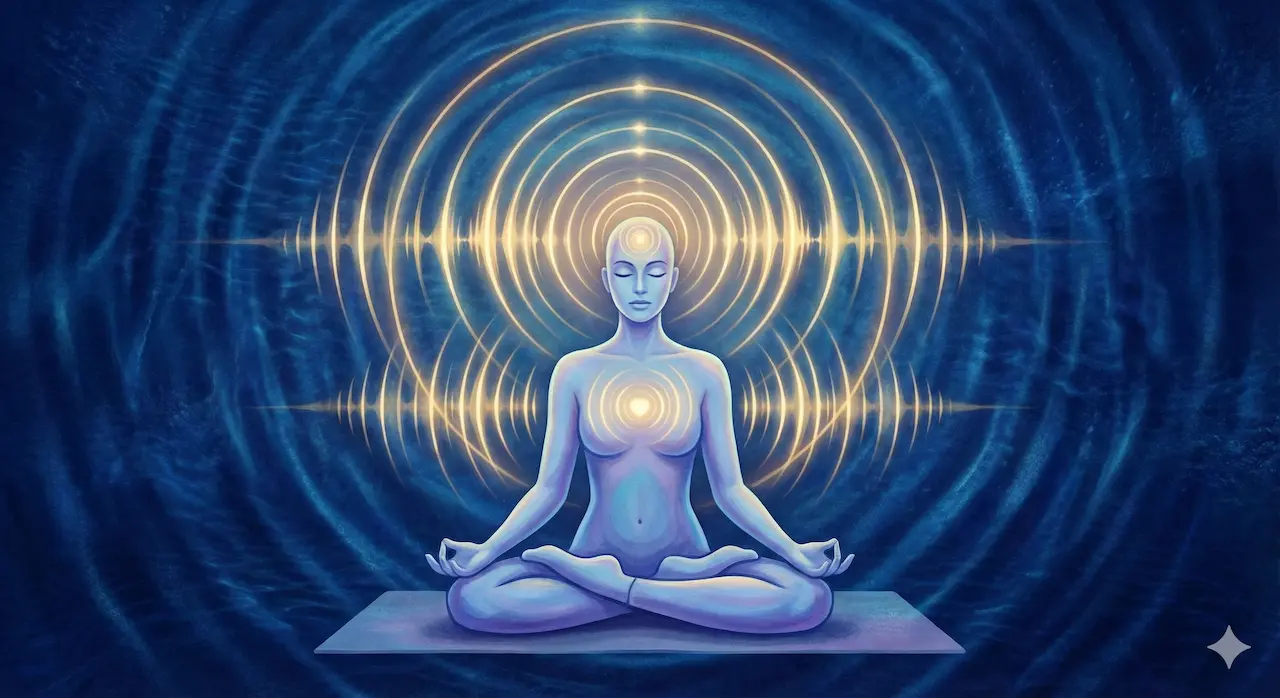
Mantras work at three simple levels:
- Sound calms the nervous system
- Repetition builds focus
- Meaning shapes intention
You do not need to understand advanced philosophy to benefit from a mantra. Even a simple chant, practiced sincerely, can slowly transform your inner state.
Broad Classification of Mantras
Before exploring specific types, it helps to understand the two broad origins of mantras in Indian tradition.
1. Vedic Mantras
Vedic mantras are considered the oldest spiritual sounds known to humanity. Ancient sages discovered them in deep states of meditation and passed them down through oral tradition, known as Shruti. These mantras align closely with natural forces like fire, air, water, space and consciousness.
Because of their precision, pronunciation plays an important role. Even small changes in sound can alter the vibration, which is why Vedic chants are traditionally learned with care and discipline.
2. Tantric and Puranic Mantras
These developed later. They often focus on a specific deity or purpose, such as protection, healing, or devotion. Many household prayers fall into this category.
Now, let’s explore the main types of mantras in detail.
Deep Dive: Vedic Mantras
Vedic mantras arise from the earliest layers of Indian spiritual knowledge. Rather than being composed in the usual sense, they were perceived by ancient seers during profound meditative states and preserved through an exact oral tradition.
These chants work in harmony with fundamental forces of nature, such as fire, air, water, space, and consciousness. Because of this connection, Vedic mantras are often used to create balance, order, and clarity both within the individual and in the surrounding environment.
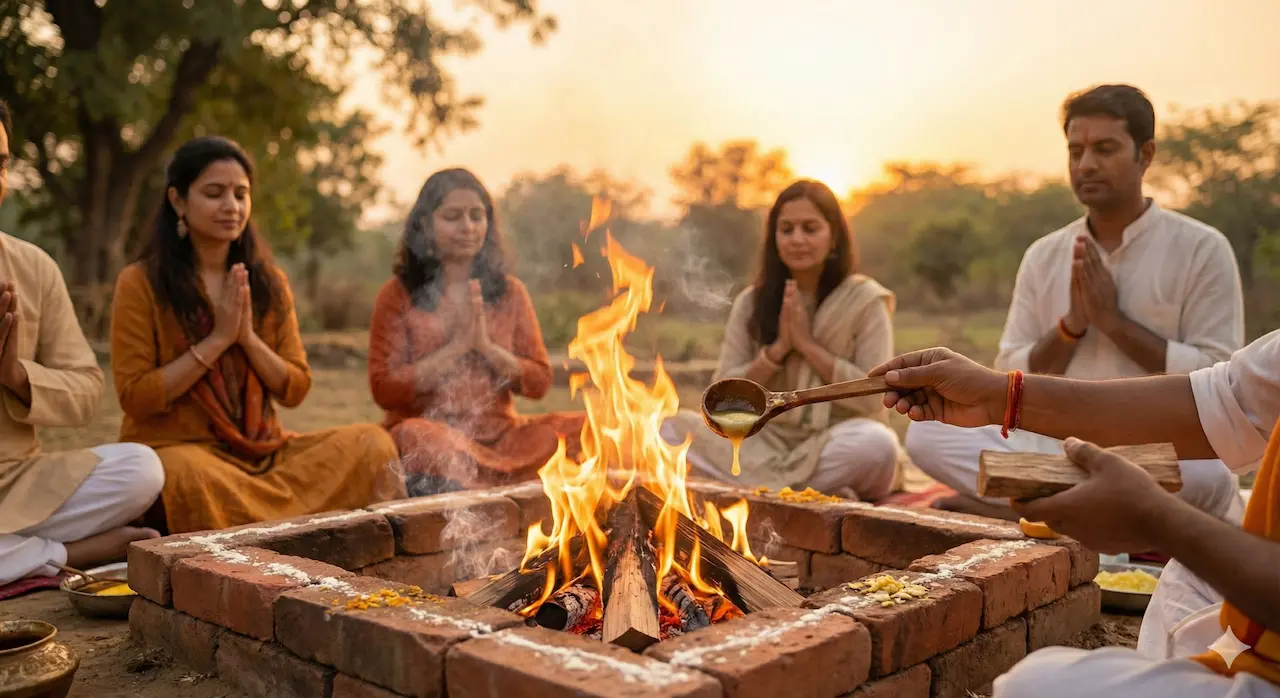
These mantras are commonly used in:
- Yagnas (fire rituals)
- Temple ceremonies
- Prayers for peace and harmony
One well-known example is the Shanti Mantra, chanted to invoke peace at personal, environmental and universal levels.
Vedic mantras emphasize collective well-being, not personal gain. Their rhythm and tone create a feeling of balance and sacred order.
Deep Dive: Beej Mantras (Seed Sounds)
A Beej mantra is a single syllable with intense energy. Think of it like a seed. A tiny seed holds the full blueprint of a massive tree.
Beej mantras work the same way.
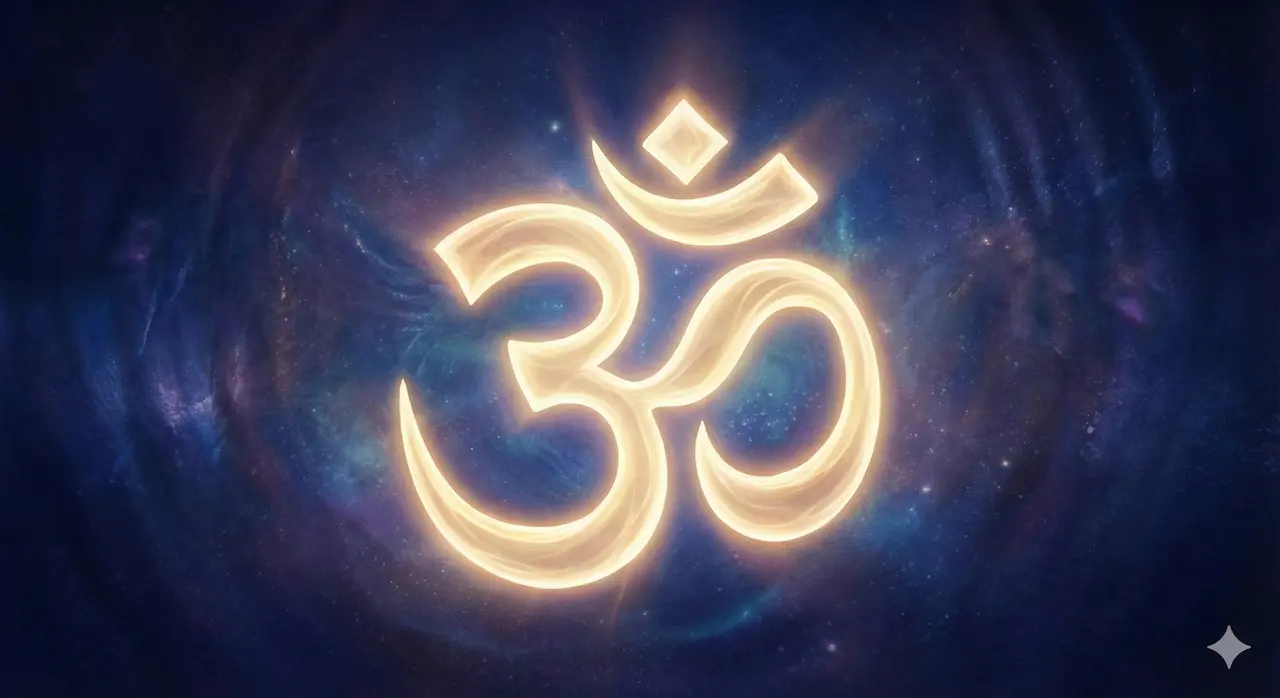
Common Beej Mantras and Their Meaning
- Om – The universal sound; source of all creation
- Shreem – Associated with prosperity and abundance
- Hreem – Represents divine energy and inner purification
These mantras directly influence energy centers in the body. Because they are powerful, people usually chant them slowly, with awareness.
Beej mantras are often used in:
- Chakra meditation
- Daily Japa practice
- Focused spiritual Sadhana
The Gayatri Mantra: The Supreme Prayer
Although technically a Vedic mantra, the Gayatri Mantra holds a place of its own in Indian spirituality.
It is a prayer for wisdom and clarity of intellect. Rather than asking for wealth or power, it asks for light in the mind.
The mantra encourages:
- Right thinking
- Moral strength
- Inner awakening
Traditionally chanted at sunrise, the Gayatri Mantra is considered suitable for daily practice by sincere seekers who approach it with respect and discipline.

Healing Mantras for Body and Mind
Healing mantras focus on restoring balance in the body and mind. They work gently, not as medical replacements, but as supportive practices that strengthen mental resilience, reduce fear and promote emotional stability during stress or illness.

The Mahamrityunjaya Mantra
This powerful mantra is known as the victory over death mantra. It does not promise immortality, but it removes fear, strengthens resilience and supports recovery.
People chant it to:
- Reduce anxiety
- Build inner courage
- Support healing during illness
Other healing sounds include the Dhanvantari mantra, associated with health and Ayurvedic wisdom.
Saguna vs. Nirguna Mantras
This distinction helps seekers choose the right path.
Saguna Mantras
These focus on a form or deity. The mind concentrates on a loving image, such as Shiva, Krishna, or Durga.
Example:
- “Om Namah Shivaya”
Nirguna Mantras
These focus on the formless reality. They suit seekers drawn to meditation beyond images.
Example:
- “So Hum” (I am That)
Both paths are valid. Choice depends on temperament and inner inclination.
How to Choose and Chant Correctly
You do not need complex rituals to begin. Simple practices work best.
Key guidelines:
- Correct pronunciation matters more than speed
- Sankalpa (clear intention) gives direction
- Consistency builds results
Using a mala helps maintain focus during Japa. Early morning and evening are considered ideal times, but sincerity matters more than timing.
Start with one mantra. Stay with it. Let the sound become familiar.

Conclusion: Understanding the Types of Mantras
Mantras are not shortcuts or magic spells. They are time-tested tools for inner transformation, refined through centuries of lived experience. By understanding the different types of mantras Vedic, Beej, Gayatri, healing, Saguna and Nirguna you can choose a practice that truly fits your inner nature.
Begin simply. Chant patiently. Over time, a single mantra can become a quiet companion that guides the mind inward and brings lasting calm.
FAQs:
Can anyone chant Vedic mantras?
Some Vedic mantras traditionally require proper guidance. However, many mantras are now practiced openly with respect and discipline.
What is the most powerful mantra?
There is no single most powerful mantra. The best mantra is one you chant regularly with faith.
Do I need a Guru to receive a mantra?
A Guru helps deepen practice, but many people begin with simple mantras through self-study and sincerity.
What is the best time to chant mantras?
Early morning is ideal, but any quiet time when the mind is calm works well.
Can I chant silently?
Yes. Mental chanting is effective, especially during meditation.

Bhawna Anand is a talented content writer and editor with over 5 years of experience crafting engaging stories for Abmantra. She specializes in Fashion, Lifestyle, and Spiritual content, along with expert guides on Festivals, Gifting, and Ecommerce. Bhawna’s informative writing style has been instrumental in building Abmantra’s loyal readership and vibrant online community.
When not at work, Bhawna enjoys traveling the world, which often inspires her to write captivating travel pieces that transport readers to new destinations. She also loves to sing, cook, and read good novels.