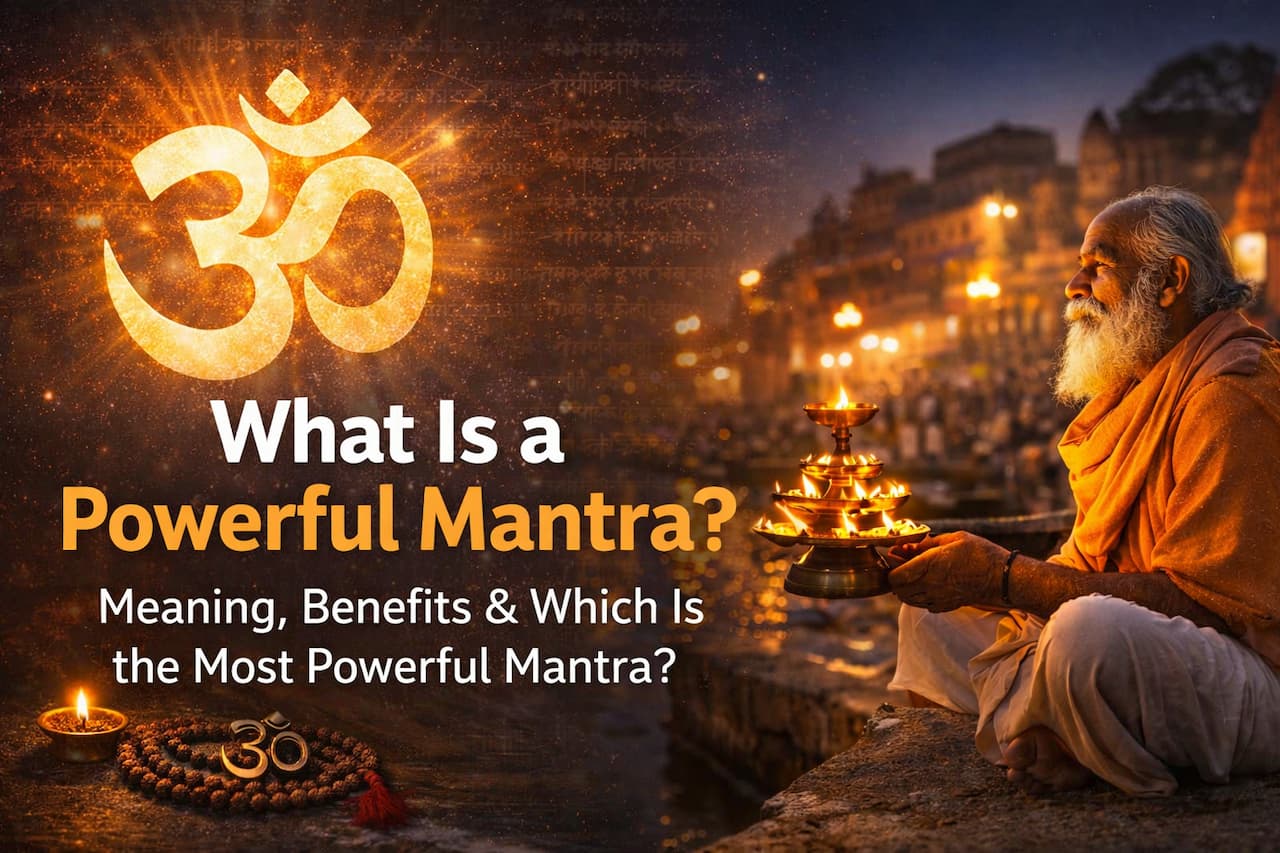

A powerful mantra is a sacred sound or phrase that shapes your thoughts, steadies your breath and fills your heart with devotion. When you chant it slowly, you feel the vibration in your chest, the gentle hum in your throat and a quiet calm spreading through your body. From the banks of the Ganga during aarti to small home temples lit with diyas, mantra chanting remains part of India’s spiritual rhythm.
Many people ask, which is the most powerful mantra? Others search for which is the most powerful mantra in the world or even the Most powerful mantra in universe. The answer is layered. Different traditions honor different sacred chants. Real power grows from faith, correct practice and consistency.
Let us explore this deeply, with culture, science and practical wisdom.
What Is a Powerful Mantra?
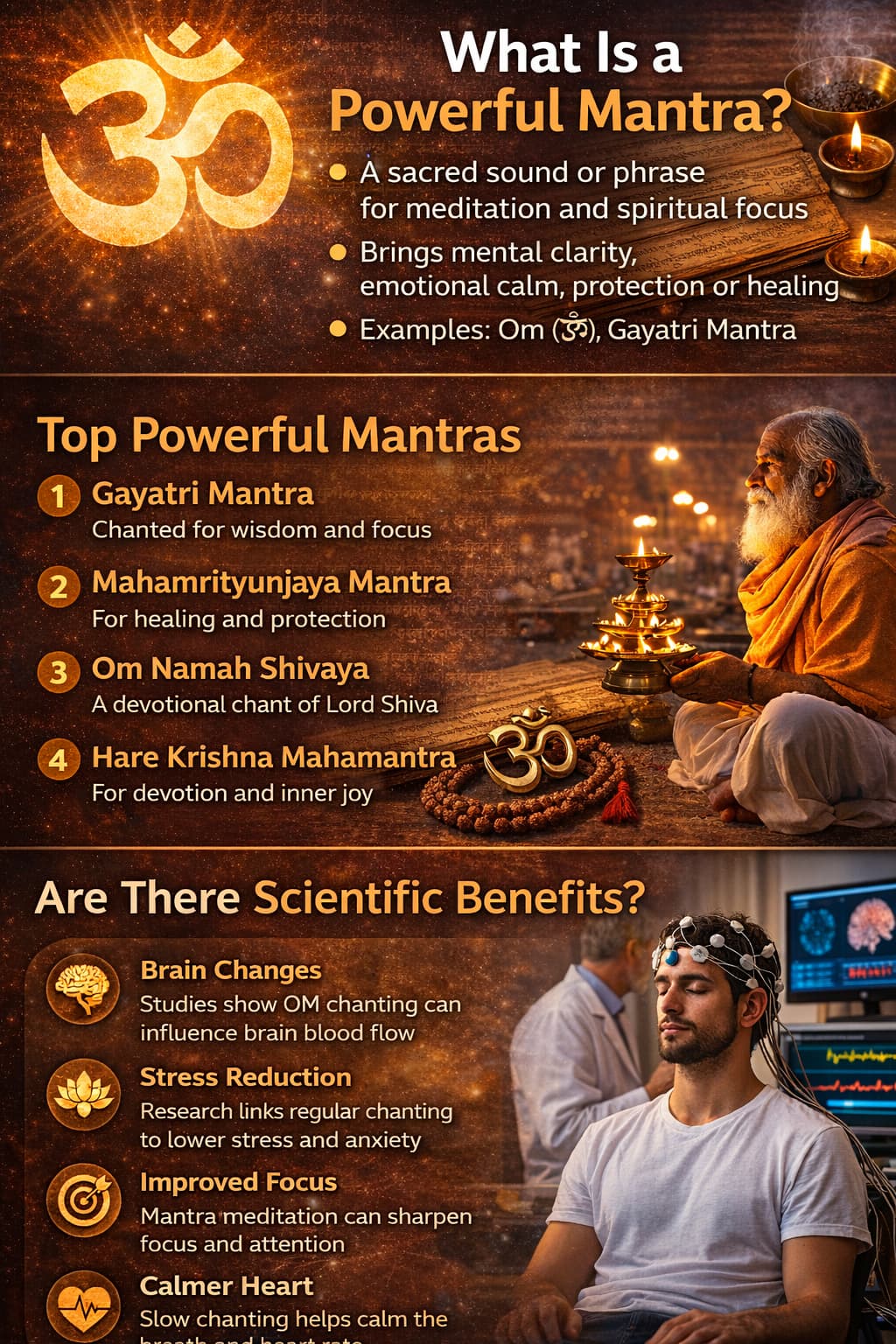
A mantra is a sacred syllable or verse, mostly from Sanskrit, repeated during prayer or meditation. The word “mantra” means a tool for the mind.
A powerful mantra does three simple but deep things. It focuses attention, regulates breathing and carries spiritual meaning rooted in scripture. Many Hindu mantras originate from the Vedas and the Upanishads. These texts preserved sound patterns carefully through oral tradition for thousands of years.
When you chant slowly and rhythmically, your breath becomes even. The mind stops jumping from one worry to another. That steady inner shift creates the experience people describe as “power.”
Why Are Some Mantras Called the Most Powerful Mantra in Universe?
Some mantras earn the title because of scripture, devotion and historical practice.
They often:
- Come directly from ancient Vedic hymns.
- Connect to major deities like Shiva, Vishnu or Devi.
- Are repeated by millions daily.
- Carry deep symbolic meaning.
Take “Om.” Many consider it the primal vibration of creation. When you chant Om, the sound begins in the belly, rises through the chest and finishes with a soft hum in the skull. This layered vibration makes many feel grounded and centered.
Power does not only come from complexity. It grows from repetition. A short chant practiced daily becomes spiritually strong over time.
Which Is the Most Powerful Mantra in Hinduism?
When people ask about the World most powerful mantra in Hinduism, they usually refer to these:
Gayatri Mantra
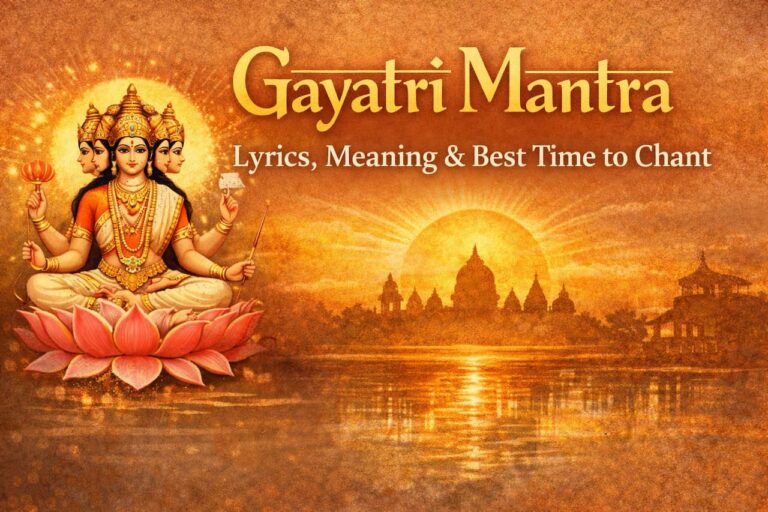
From the Rigveda, this mantra prays for divine wisdom and clarity of intellect. It is traditionally chanted at sunrise, facing the light. Many consider it one of the most powerful mantras for mental clarity.
Mahamrityunjaya Mantra
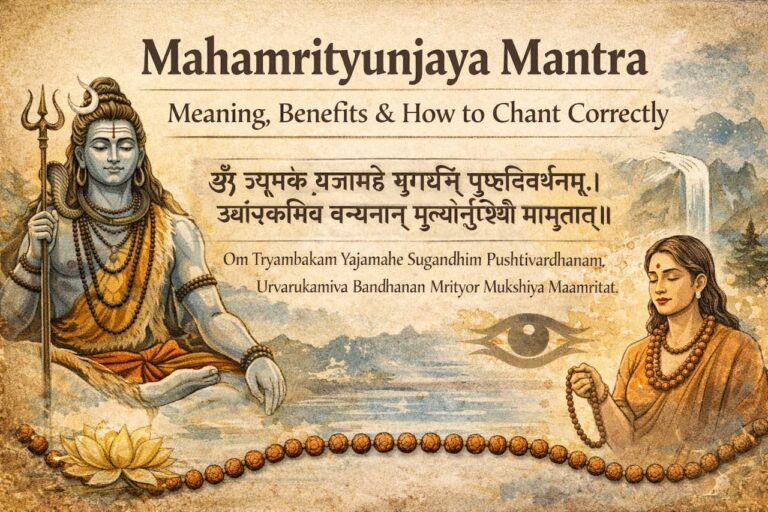
Dedicated to Lord Shiva, this mantra focuses on healing and protection. Families chant it during illness or fear. Its rhythm feels steady and protective, like a heartbeat during meditation.
Om Namah Shivaya
A simple yet profound devotional chant meaning “I bow to Shiva.” Its repetition acts as a mental anchor, especially in stressful times.
Hare Krishna Mahamantra
Widely chanted in Bhakti traditions, this mantra fills temples with lively rhythm. Devotees describe feelings of joy and emotional release during group chanting.
Each of these is called powerful for different reasons. Each connects to deep faith and scripture.
Which Is the Most Powerful Mantra in the World?
Beyond Hinduism, other traditions also honor sacred sounds. Buddhism reveres “Om Mani Padme Hum.” Jainism holds the Navkar Mantra in highest regard. Sikhism centers on “Ik Onkar.”
So when someone asks, which mantra is most powerful, context matters. Religious tradition, personal belief and practice depth all influence the answer.
There is no single global winner. The most powerful mantra is often the one that transforms your inner state.
How Does a Powerful Mantra Work?
A powerful mantra works at three levels: mental, physical and spiritual.
Mental Level
Repetition quiets mental noise. Chanting replaces scattered thoughts with steady rhythm.
Physical Level
Breathing slows naturally during chanting. Slow breath supports calm heart rhythm and improved focus.
Spiritual Level
Faith gives meaning to repetition. Devotion deepens emotional resilience.
This combination of sound, breath and intention shapes how chanting affects the mind.
Research & Evidence: What Science Says About Powerful Mantra Chanting
Science has begun to explore mantra chanting with measurable tools.
A pilot brain imaging study found that chanting “Om” created specific neurohemodynamic changes. Researchers suggested the vibration might stimulate auricular branches of the vagus nerve. The vagus nerve plays a major role in calming the body and reducing stress response. (Study available via PubMed Central.)
A 2022 heart rate variability study observed that even five minutes of Om chanting increased parasympathetic activity, which signals relaxation. Experienced practitioners showed even stronger effects.
Other researchers proposed a model called respiratory vagal nerve stimulation. This explains how slow chanting and steady breath can stimulate the vagus nerve, leading to improved emotional regulation.
One small four-week intervention study reported that regular Om chanting significantly reduced anxiety levels in participants.
These studies are still developing. Sample sizes remain limited. Yet the pattern appears consistent. Slow chanting, sound vibration and controlled breathing often support measurable relaxation responses.
Scientific findings align with traditional wisdom: steady practice creates inner calm.
Why Sanskrit Pronunciation (Phonetics) Matters in a Powerful Mantra
Pronunciation shapes vibration. Sanskrit sounds are organized by how and where they form in the mouth.
Some letters vibrate at the lips. Others resonate deep in the throat. Long vowels hum in the chest. Sharp consonants stimulate the tongue.
Correct pronunciation enhances resonance. When a mantra resonates clearly, breathing becomes more uniform and steady.
Traditional Gurukuls preserved strict phonetic systems so sound patterns remained exact across generations. While sincere chanting still helps, accurate pronunciation can deepen effect.
A simple practice tip: listen to authentic recordings, slow your pace and feel where each syllable vibrates in your mouth and throat. Record yourself weekly to notice improvement.
Clarity of sound strengthens clarity of mind.
How to Choose Your Powerful Mantra
Choosing the Most powerful mantra in universe for yourself depends on intention.
If you seek clarity, Gayatri may resonate.
If you seek healing, Mahamrityunjaya may feel appropriate.
If you seek simplicity, Om Namah Shivaya works beautifully.
Start small. Many beginners choose long complex chants and lose motivation. A short mantra practiced daily produces greater depth than rare long sessions.
Personal observation: consistency creates transformation. Five focused minutes daily builds more stability than one intense hour done once a week.
How to Chant a Powerful Mantra Correctly
Sit upright but relaxed. Allow your shoulders to drop naturally. Take one slow breath before starting.
Chant gently so your ears hear your own voice. Let sound flow instead of forcing it. Feel the vibration in your chest and skull.
Morning chanting during Brahma Muhurta often feels peaceful. Evening chanting after sunset also brings reflection.
Some use a mala of 108 beads to maintain rhythm and count. Others set a timer and focus purely on sound.
Silence after chanting matters too. Sit quietly for a minute. Let the vibration settle.
Common Myths About Powerful Mantras
Some believe volume equals effect. It does not. Awareness matters more.
Others expect instant miracles. Real change grows slowly through daily practice.
Some think Sanskrit is mandatory. Faith and sincerity hold deep power even beyond linguistic perfection. Still, proper pronunciation strengthens experience.
A Gentle 7-Day Practice Plan
Day 1: Understand the meaning of your mantra.
Day 2: Chant five minutes at sunrise.
Day 3: Focus on pronunciation and breath rhythm.
Day 4: Notice mental clarity before and after chanting.
Day 5: Extend session to ten minutes if comfortable.
Day 6: Sit in silence after chanting for two minutes.
Day 7: Reflect on emotional shifts.
Keep practice steady. Spiritual depth develops gradually.
Final Reflection
A powerful mantra is not simply a phrase. It is disciplined repetition, sacred vibration and heartfelt devotion woven together.
From temple bells echoing in the morning air to quiet whispers during evening prayer, mantras carry centuries of faith. When you chant with awareness, steady breath and sincerity, that ancient rhythm becomes part of you.
The most powerful mantra may not be the longest or most famous. It is the one that transforms your inner state, softly and steadily, over time.
FAQs:
What is a powerful mantra?
A powerful mantra is a sacred sound or phrase. It is chanted with focus and intention. It promotes mental clarity, emotional calm, and spiritual connection. It works through steady repetition and breath control.
Which is the most powerful mantra in Hinduism?
The Gayatri Mantra, Mahamrityunjaya Mantra, and Om Namah Shivaya are widely seen as powerful. Tradition teaches that a mantra becomes most powerful for a person when practised with devotion.
Which is the most powerful mantra in the world?
There is no single universal mantra seen as the most powerful worldwide. Each religion honours different sacred chants. The most effective mantra depends on personal faith and sincere practice.
Which mantra is most powerful for protection?
The Mahamrityunjaya Mantra and specific Hanuman mantras are commonly chanted for protection, healing and courage during difficult times.
Why does correct Sanskrit pronunciation matter?
Accurate pronunciation improves resonance and vibration in the mouth and throat. It also improves breath rhythm and focus. Still, sincere and consistent chanting offers meaningful benefits.
How long should I chant a powerful mantra daily?
Start with five to ten minutes each day and increase it gradually. Consistency matters more than duration, and steady daily practice builds lasting emotional and mental balance.

Bhawna Anand is a talented content writer and editor with over 5 years of experience crafting engaging stories for Abmantra. She specializes in Fashion, Lifestyle, and Spiritual content, along with expert guides on Festivals, Gifting, and Ecommerce. Bhawna’s informative writing style has been instrumental in building Abmantra’s loyal readership and vibrant online community.
When not at work, Bhawna enjoys traveling the world, which often inspires her to write captivating travel pieces that transport readers to new destinations. She also loves to sing, cook, and read good novels.