
Quick Answer
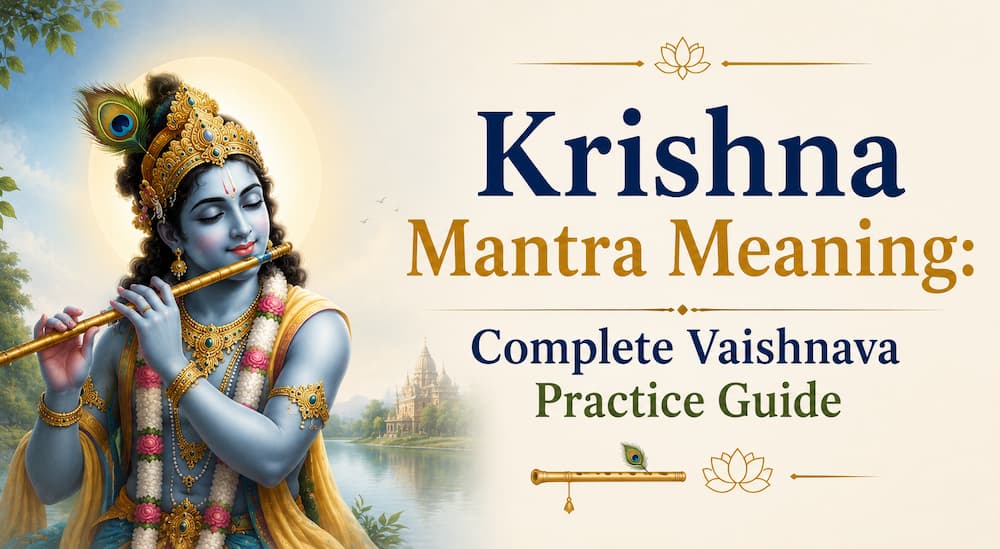
The three most important Krishna mantras:
1. Om Namo Bhagavate Vasudevaya : the 12-syllable Dvadasakshari mantra, the chief mantra of Vaishnavism from Srimad Bhagavatam. Chant 108 times daily. This is the primary Krishna mantra for all purposes.
2. Om Klim Krishnaya Namah : the Krishna Mula (root) mantra with the Klim beej. Klim is the beej of attraction, fulfilment of desires and divine love. 108 times daily.
3. Om Krishnaya Vasudevaya Haraye Paramatmane Pranatah Kleshanashaya Govindaya Namo Namah : the long-form Krishna mantra for removal of suffering and complete surrender. Chant 27 or 108 times daily.
Who This Article Is For
This article is for you if you want to know the primary Krishna mantras with their correct Sanskrit text and meaning | you want to understand what makes each mantra different and which one matches your need | you want to begin a Krishna mantra practice and need to know how to start.
Also see: How to chant the Hare Krishna Maha Mantra: complete guide and Vishnu Sahasranama: 1,000 names and benefits
Krishna is simultaneously the most accessible and the most philosophically complex deity in the Vedic tradition. As a historical figure, he is the teacher of the Bhagavad Gita, the hero of the Mahabharata, the divine child of Vrindavan and the king of Dwarka. As a cosmic principle, he is described in the Srimad Bhagavatam as the Supreme Personality of Godhead : the original form of divinity from which all other forms emerge.
Here is what most Krishna mantra articles miss: they list multiple mantras without explaining the difference between them. The Om Namo Bhagavate Vasudevaya is the liberation mantra : it is prescribed specifically for moksha and the dissolution of the ego’s separation from the divine. The Om Klim Krishnaya Namah is the bhakti and desire-fulfilment mantra : Klim is the beej of attraction and it connects the practitioner to Krishna’s quality of divine love and wish-fulfilment. Chanting the wrong mantra for the wrong purpose is not harmful, but understanding the difference makes the practice more effective.
The Primary Krishna Mantras
Mantra 1: Om Namo Bhagavate Vasudevaya : The Liberation Mantra
Om Namo Bhagavate Vasudevaya : The 12-Syllable Mantra
Sanskrit: Om Namo Bhagavate Vasudevaya
Devanagari: ॐ नमो भगवते वासुदेवाय
Word by word:
Om: the primordial sound of consciousness
Namo: I bow, I surrender
Bhagavate: to Bhagavan : the divine being who possesses all six qualities: knowledge, power, wealth, strength, beauty and renunciation
Vasudevaya: to Vasudeva : the one who dwells in all things and in whom all things dwell (Vasu = all-pervading radiance, Deva = divine)
Source: Srimad Bhagavatam (Bhagavata Purana) : described as the chief among Vaishnava mantras (Dvadasharno mahamantrah pradhano Vaishnavagame). Also found in the Vishnu Purana.
The 12 syllables: Om Na Mo Bha Ga Va Te Va Su De Va Ya : each syllable corresponds to one of the 12 aspects of divine consciousness and the 12 months of the cosmic year.
When to chant: Daily as the primary practice. This is the mantra for liberation, for dissolving the ego’s separation from the divine, for deep devotion. 108 times at any time of day.
Mantra 2: Om Klim Krishnaya Namah : The Bhakti and Desire Mantra
Om Klim Krishnaya Namah : The Krishna Mula Mantra
Sanskrit: Om Klim Krishnaya Namah
Devanagari: ॐ क्लीं कृष्णाय नमः
Word by word:
Om: primordial opening
Klim: the beej of attraction, love, and the power to draw toward the divine. In the Tantric understanding, Klim is the seed sound of desire transformed into devotion : the energy that draws the devotee toward Krishna and draws Krishna’s grace toward the devotee.
Krishnaya: to Krishna (dative case)
Namah: I bow, I surrender
What Klim adds: The Klim beej transforms the mantra from a surrender-only practice to a magnetic practice. The devotee is not merely bowing to Krishna; through Klim, the devotee is actively drawing Krishna’s presence into their experience. This makes it the primary mantra for bhakti sadhana (devotional practice), for attracting divine love, and for the fulfilment of sincere desires through Krishna’s grace.
When to chant: 108 times daily. Particularly appropriate on Wednesdays (Krishna’s day in South Indian tradition) and on Janmashtami (Krishna’s birth anniversary). When used for desire fulfilment: chant 108 times for 21 consecutive days with clear and sincere intention.
Mantra 3: Om Krishnaya Vasudevaya Haraye Paramatmane : The Suffering-Removal Mantra
The Long-Form Krishna Mantra
Sanskrit:
Om Krishnaya Vasudevaya Haraye Paramatmane
Pranatah Kleshanashaya Govindaya Namo Namah
Devanagari:
ॐ कृष्णाय वासुदेवाय हरये परमात्मने।
प्रणत: क्लेशनाशाय गोविन्दाय नमो नमः॥
Meaning: Om. To Krishna, son of Vasudeva, to Hari (the remover), to the Supreme Soul (Paramatma). Who removes the suffering of those who have surrendered (Pranatah Kleshanashaya). To Govinda, I bow again and again.
Pranatah Kleshanashaya is the most important phrase in this mantra. Pranatah means one who has surrendered (bowed down). Klesha means suffering, pain, affliction. Nashaya means destroyer. The full phrase: he who destroys the suffering of those who have surrendered to him. The mantra is specifically for practitioners who have genuinely surrendered to Krishna and want the removal of their suffering as the natural consequence of that surrender : not as a demand but as what the tradition promises follows sincere surrender.
When to chant: 27 times in acute situations. 108 times as a daily practice. Particularly effective when chanted facing an image or murti of Krishna with complete bhava (emotional involvement).
Which Krishna Mantra for Which Purpose
| Your situation or goal | Best Krishna mantra | Count and day |
|---|---|---|
| Daily spiritual practice and liberation | Om Namo Bhagavate Vasudevaya | 108 times daily |
| Bhakti practice, divine love, devotion development | Om Klim Krishnaya Namah | 108 times daily, especially Wednesday |
| Relief from suffering, acute difficulty | Om Krishnaya Vasudevaya Haraye Paramatmane Pranatah Kleshanashaya Govindaya Namo Namah | 27 times daily for 21 days |
| Beginning a new relationship or wanting to attract love | Om Klim Krishnaya Namah (Klim governs attraction) | 108 times for 21 consecutive days |
| Protection and preservation of what you have | Om Namo Bhagavate Vasudevaya (Vishnu-Krishna as preserver) | 108 times daily |
| Children and students seeking Krishna’s blessing | Om Krishnaya Namah (simplest form, no beej) | 21 times before study or any new beginning |
The Krishna Gayatri
Krishna Gayatri Mantra
Sanskrit:
Om Devaki Nandanaya Vidmahe Vasudevaya Dhimahi
Tanno Krishna Prachodayat
Devanagari:
ॐ देवकीनन्दनाय विद्महे वासुदेवाय धीमहि।
तन्नो कृष्णः प्रचोदयात्॥
Meaning: We know the son of Devaki (Krishna as born to Devaki). We meditate on Vasudeva. May that Krishna illuminate our intellect.
Devaki Nandana: This is a precise name for Krishna : the son of Devaki and Vasudeva. The Gayatri form of Krishna’s mantra begins with his historical identity (child of Devaki) and moves to his cosmic identity (Vasudeva, the all-pervading). This movement from human story to cosmic truth is exactly what the Gita teaches. The mantra enacts the Gita’s central teaching in miniature.
When to chant: 108 times daily at Brahma Muhurta, as an alternative to or alongside the Gayatri Mantra for devoted Krishna practitioners.
From Our Practice
From Our Practice
Among all the Vaishnava mantras I have worked with in my practice, Om Namo Bhagavate Vasudevaya is the one I recommend most consistently because of its scope. It addresses liberation, protection, and the establishment of the correct relationship between the practitioner and the divine in a single 12-syllable phrase. Srimad Bhagavatam’s description of it as the chief Vaishnava mantra is consistent with what I observe in practice.
For clients who come with acute suffering : illness, grief, sudden loss : I recommend the long-form mantra: Om Krishnaya Vasudevaya Haraye Paramatmane Pranatah Kleshanashaya Govindaya Namo Namah. The phrase Pranatah Kleshanashaya is specifically designed for this situation. When it is chanted with genuine surrender rather than demand, the tradition’s promise : removal of suffering : activates. Surrender here means: I have done what I can do. I place what remains in your hands. That quality of surrender, combined with this specific mantra, produces a shift in relationship to the suffering that is consistently reported by practitioners.
Krishna is the deity of divine play (Leela) : of life lived with joy, spontaneity and complete presence. The mantras are the technical means of establishing contact with that quality of divine playfulness. When they work as the tradition intends, what changes is not just the external circumstances but the practitioner’s relationship to circumstances : the capacity to meet difficulty with the same quality of presence that Krishna brings to Leela.
Frequently Asked Questions
❓ What is the simplest Krishna mantra for a complete beginner?
Om Krishnaya Namah (ॐ कृष्णाय नमः) : I bow to Krishna. Three words. Completely accessible. Chant 108 times daily. This simple form contains the full intention of all Krishna mantras in its most direct expression. When familiarity with this mantra is established (minimum 21 days of daily practice), add either Om Namo Bhagavate Vasudevaya or Om Klim Krishnaya Namah depending on your primary intention.
❓ What is the difference between Krishna mantras and Vishnu mantras?
In the Vaishnava tradition, Krishna is considered the original, most complete form of the divine, and Vishnu is one of his cosmic manifestations. The Vishnu mantras (Om Namo Narayanaya, Vishnu Sahasranama) address Vishnu’s preserving, sustaining function. The Krishna mantras address Krishna’s quality of divine love, play and direct personal relationship with devotees. In practice: Vishnu mantras for cosmic protection and sustaining grace, Krishna mantras for bhakti, personal relationship with the divine, and the joyful dimension of spiritual life. Many practitioners use both.
❓ Can I chant the Krishna Mula Mantra (Om Klim Krishnaya Namah) without initiation?
Yes. The Om Klim Krishnaya Namah is freely chantable without formal initiation. The Klim beej in this context is the Tantric seed of attraction and divine love : it is not restricted in its public form. A more intensive Klim-based sadhana with higher repetition counts benefits from guidance from a qualified teacher, but the 108-times daily practice is fully accessible to all practitioners.
❓ Is there a specific time to chant Krishna mantras?
No strict restriction, but three times are most auspicious. Brahma Muhurta (before sunrise) for Om Namo Bhagavate Vasudevaya as a daily liberation practice. Noon on Wednesdays in the South Indian tradition (Krishna’s day). Evening twilight for devotional chanting : the bhakti tradition specifically prescribes evening kirtan and mantra as the most emotionally resonant time for Krishna practice, as dusk evokes the Vrindavan atmosphere of the Gopis calling for Krishna as the day ends.
❓ What is the difference between the Hare Krishna Maha Mantra and the Om Klim Krishnaya Namah?
They serve different functions. The Hare Krishna Maha Mantra (Hare Krishna Hare Krishna Krishna Krishna Hare Hare / Hare Rama Hare Rama Rama Rama Hare Hare) is the Kali Yuga Maha Mantra prescribed in the Kali Santarana Upanishad for this age. It is a complete sadhana in itself : the Hare invokes Radha’s energy (the divine feminine of Krishna’s love), and its repetition is considered by ISKCON and Gaudiya Vaishnava tradition to be the primary practice for the current age. The Om Klim Krishnaya Namah is a more concentrated beej-mantra form for specific intention-based practice. Both are valid. The Maha Mantra is broader and more universal; the Klim mantra is more targeted.
❓ Can non-Hindus chant Krishna mantras?
Yes. The Bhagavad Gita itself : Krishna’s teaching : states repeatedly that Krishna accepts the devotion of all who approach with sincerity regardless of their background. The Vaishnava tradition has always been universally accessible. ISKCON (International Society for Krishna Consciousness) has introduced Krishna mantra practice to millions of non-Hindus worldwide, with the full sanction of the Gaudiya Vaishnava lineage. The divine does not check credentials. Chant with sincerity and respect for the tradition’s depth.
Begin With One Name
Tonight, before sleep, chant Om Krishnaya Namah 27 times. Just that. Simple, direct, complete.
Tomorrow morning, if you want to deepen the practice, add Om Namo Bhagavate Vasudevaya 108 times. This is the chief mantra of Vaishnavism. It takes approximately 8 minutes.
In one month of this practice, you will have a direct experiential answer to the question this article only partially addresses: what does chanting Krishna mantras actually do? The tradition’s answer and your own experience will align. They always do.
Sources
- Om Namo Bhagavate Vasudevaya Mantra. Mahakatha, March 2026. 12-syllable Dvadasakshari mantra; Bhagavata Purana source; Bhagavan six qualities; Vasudeva meaning
- Complete Om Namo Bhagwate Vasudevay Guide. Hindu Mirror, October 2025. Chief Vaishnava mantra Dvadasharno description; 12 syllables and 12 aspects of consciousness; Dhruva story connection
- Om Kleem Krishnaya Namah Mantra and Its Benefits. Pujasthan, October 2024. Klim as beej of attraction and desire manifestation; 21-day practice recommendation
- Om Krishnaya Vasudevaya Haraye Paramatmane Mantra Meaning. 99Pandit, September 2025. Long-form mantra Sanskrit text; Pranatah Kleshanashaya meaning; Paramatma as cosmic Krishna
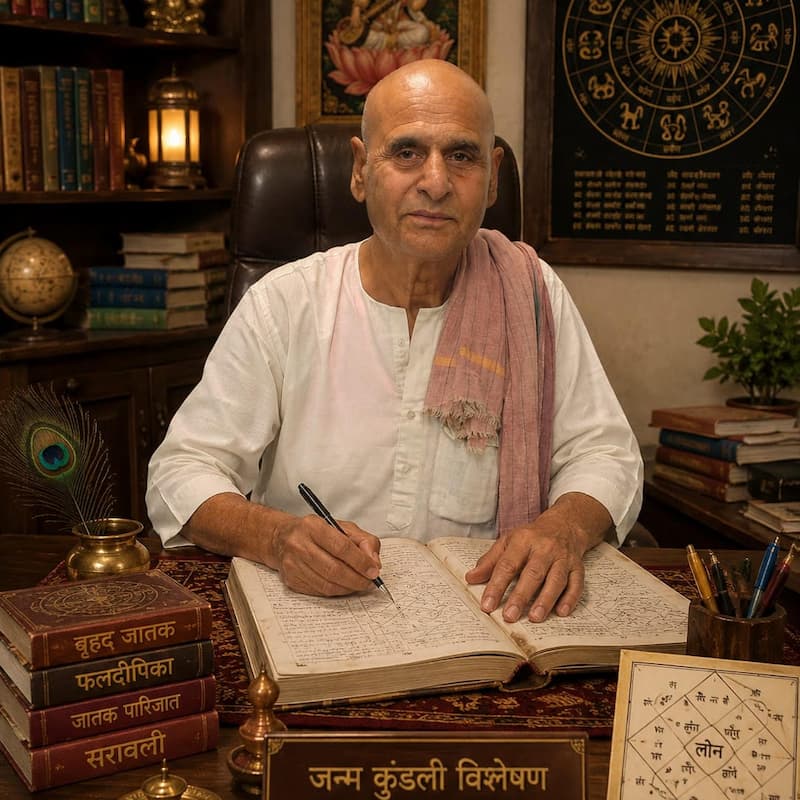
Narendra Kumar Chaubey is a Jyotisha Acharya with over 30 years of experience, based in Bihar and serving clients across India in Vedic astrology, mantra shastra, Vastu and ritual practice.
He completed his formal training at Kameshwar Singh Darbhanga Sanskrit University (KSDSU), one of India’s oldest and most respected institutions for Vedic and Sanskrit scholarship, where he studied Jyotisha shastra, mantra vidya and related classical sciences. KSDSU’s tradition of rigorous Sanskrit education tracing directly to the Mithila region’s centuries-old pandit lineage forms the foundation of his practice.
Over three decades, Narendra Kumar Chaubey has worked with thousands of individuals and families across Bihar and across India, offering guidance in:
- Kundli (birth chart) analysis: Identifying karmic patterns, planetary periods and life path guidance through classical Jyotisha
- Palmistry (Hasta Samudrika): Reading the hand according to the classical Samudrika Shastra tradition
- Vastu Shastra: Assessment and correction of living and working spaces according to directional and elemental principles
- Mantra and Pooja vidhi: Performing and guiding all categories of puja, havan, and mantra sadhana for personal, family and business situations
- Predictive Jyotisha: Transit analysis, muhurta (auspicious timing) selection and remedial guidance
He works across four languages Sanskrit, Hindi, English and Bhojpuri making classical knowledge accessible to practitioners across educational backgrounds and regions.
His writing for ABMantra brings the precision of classical Vedic training to practical mantra guidance: not general advice but specific prescriptions grounded in shastra, lineage and 30 years of direct practice with real situations.
For more info follow on: